

Introduction
Rather than just showcase the products we create and the team uniform catalogues we offer, one of the things we've been trying to do more of at Imagemakers is introduce you to the people behind our business. The people behind the seams.
Let's also flip the AI revolution on its head or at least put a temporary halt to it and celebrate 'these people' and share the love for all things human. It's also good to remind ourselves that it's the individuals behind what we do that make us who we are. The sum of our parts…
Because behind every shirt, blazer, dress or pair of trousers are talented people who care deeply about helping others look and feel their best every single day of the working week. Yet most of them work quietly behind the scenes, and their stories are rarely told. A great analogy is to imagine you bite into a stick of rock candy, you’ll notice little semi-circles of text between the layers with a name on it … each member of our team is like a stick of sweet candy with Imagemakers written into their core.
When I first met Nicole Hapgood-Strickland, I realised almost immediately that she was one of those people.
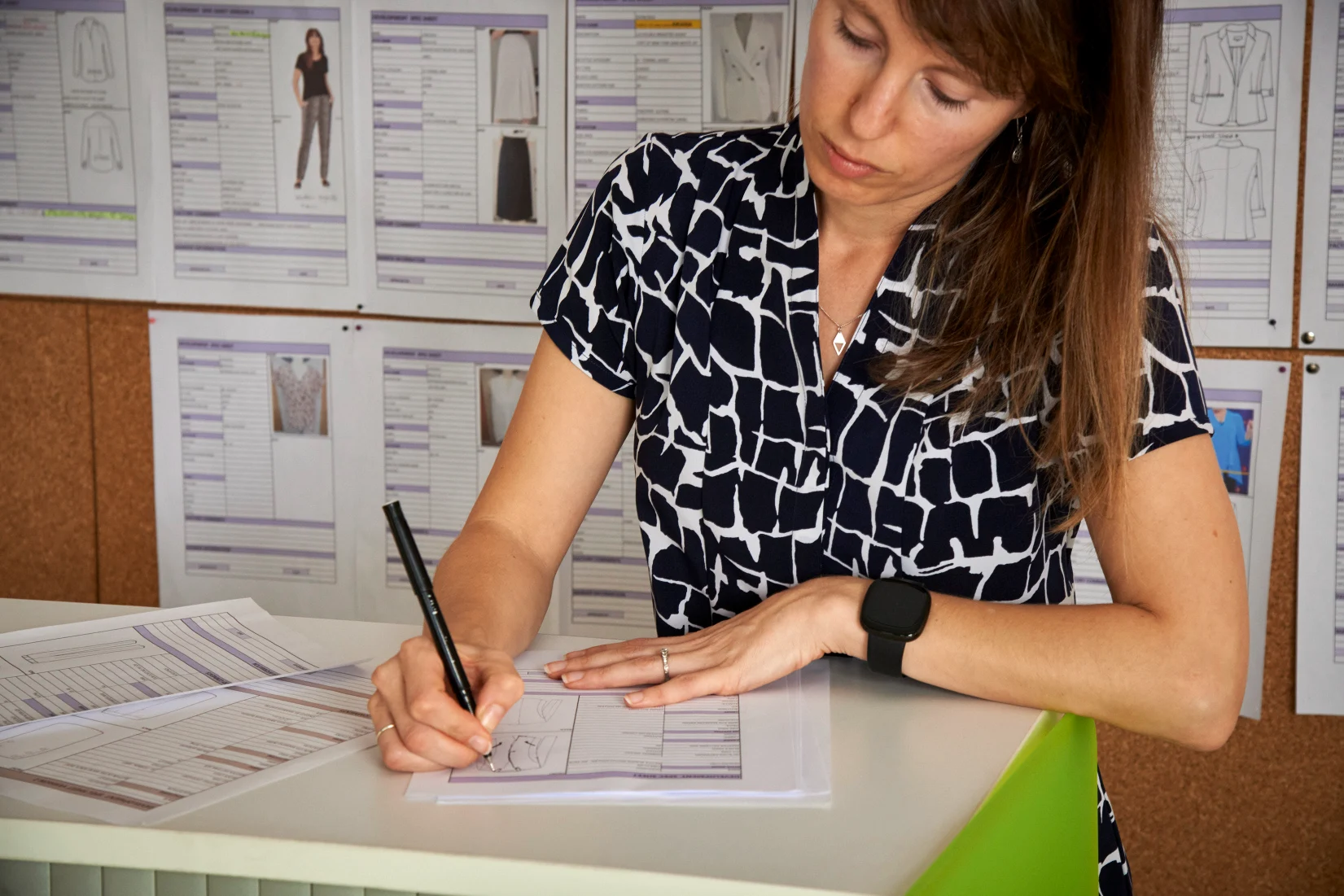
Nicole is Imagemakers Garment Technologist, a profession that many people have never even heard of. Over the past two decades, she's helped shape the professional image of thousands of people across South Africa, but if you asked most of those people who made sure their corporate clothing looked, fitted and performed as it should, they most definitely wouldn't know her name.
So, rather than writing another article about corporate wear and the benefits of partnering with Imagemakers (which you should anyway) or talking sizes and fabrics or professional clothing trends, I wanted to introduce you to the person behind so much of what we create at Imagemakers.
This absolutely is not a technical guide or a lesson in garment manufacturing. It's simply the story of someone who has quietly dedicated her career to helping people look and feel more confident every day. A little life story of someone we care about and who’s journey we thought you'd like to read.
I hope you enjoy meeting Nicole as much as we enjoyed interviewing her.
About Nicole Hapgood-Strickland
Role: Garment Technologist at Imagemakers
Years at Imagemakers: 13
Industry experience: More than 20 years
Based in: Cape Town
Favourite professional clothing item: A beautifully tailored blazer
Favourite fabric: Denim
One misconception she would change: That corporate clothing is boring
Her description of a Garment Technologist: "The engineer of the fashion world"
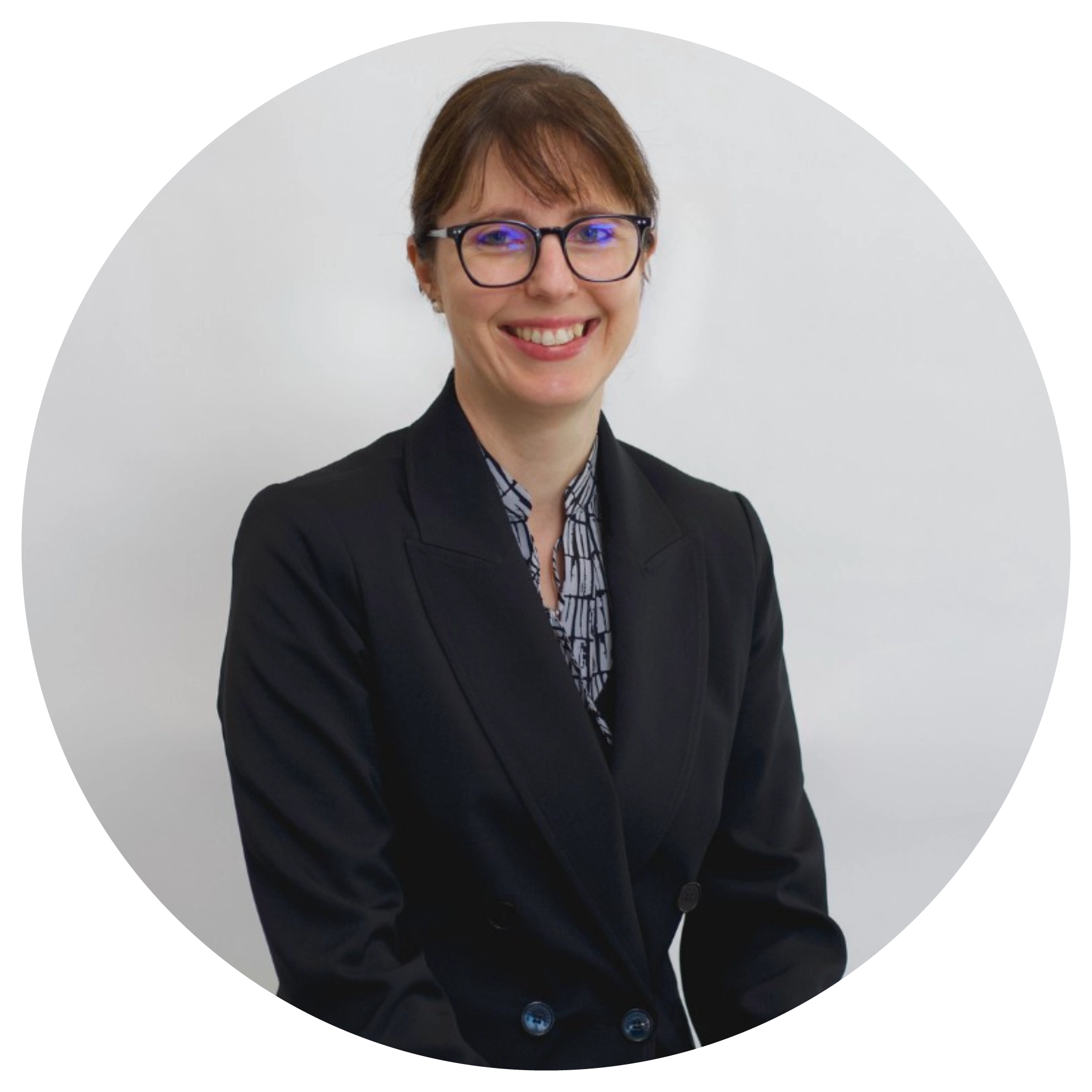
Nicole Hapgood-Strickland was interviewed for Imagemakers by Nathalie Davis, a freelance business interviewer and editorial content creator working with The Ecommerce Exec.
Nicole, before we talk about your career, tell us a little about yourself.
Nicole:
"I'm Nicole. I was born and raised in Cape Town. I'm a Leo, so I'm local and very loyal. I love everything of the best quality, and life is one big adventure to me. I love shopping, being in nature, spending time with family and friends, and simply living my best life."
You've mentioned you love shopping. Does being a Garment Technologist make shopping more difficult?
Nicole:
"Absolutely! It's becoming more and more difficult for me to find something in a clothing store that I can simply pick up and take home. After being in the industry for so long, I'm very critical of how garments are made. I can't always afford the luxury labels I'd love, so I stick to my H&M's and similar brands and just overlook the imperfections!"
What first inspired you to choose this career?
Nicole:
"Even when I was very young, my mom used to sew. My friends and I would sketch clothes and make paper outfits for our dolls. When it came to deciding what I wanted to do, I realised the fashion industry was the one thing I'd always loved. I studied at Elizabeth Galloway in Cape Town and went straight into the industry after graduating."
What was your first job in the industry like?
Nicole:
"After studying at Elizabeth Galloway Fashion School in Cape Town, I went straight into the industry. I started working during my December holidays and never really stopped. I joined a boutique fashion company as an assistant and gradually worked my way through almost every role in the business, eventually becoming a pattern maker. Because it was a small company, I learned every part of the process, and I think that's what makes a really good Garment Technologist."
What attracted you to Imagemakers?
Nicole:
"After seven years in boutique fashion, I wanted a new challenge and the opportunity to learn more about tailoring and professional clothing. I've now been with Imagemakers for more than thirteen years, and I had the privilege of working closely with *Mr Spaun. He became a real mentor to me and taught me so much about fabrics, tailoring and quality."
*Mr Spaun is the Founder of Imagemakers.
Most people have never even heard of a Garment Technologist. What exactly do you do?
Nicole:
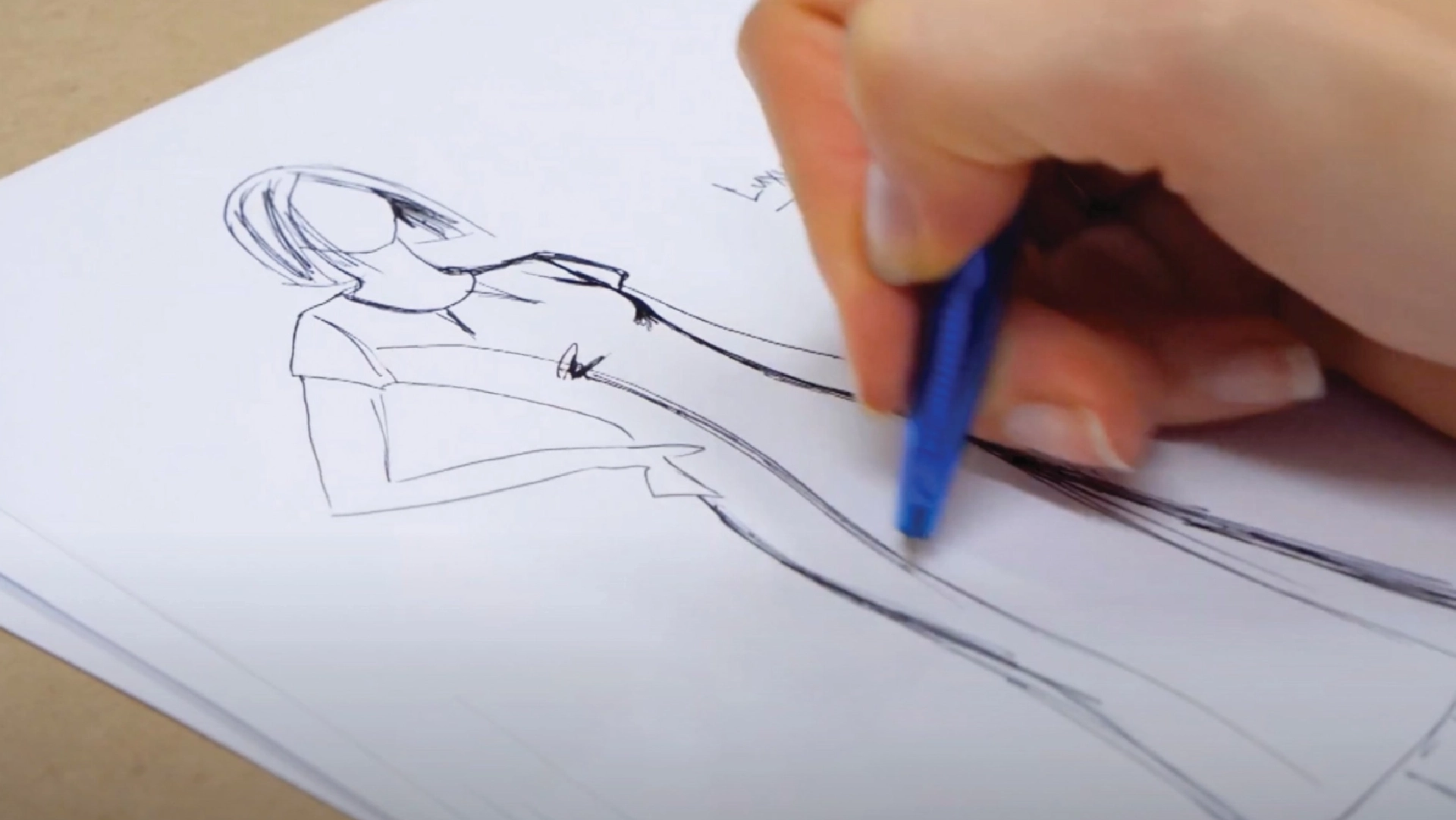
"A Garment Technologist is the engineer of the fashion world. We take a designer's creative sketch and turn it into a high-quality, wearable garment that can be manufactured efficiently. It's about making sure a garment not only looks good, but performs well for the person wearing it."
What's the biggest misconception people have about professional wear and corporate clothing?
Nicole:
"People think corporate clothing is plain, boring and old-fashioned. It really doesn't have to be. We believe professional clothing should be stylish, comfortable and designed for real people, with different body shapes in different industries."
What separates an average garment from a great one?
Nicole:
"Fit and fabric are absolutely everything. A garment should feel comfortable from the moment you put it on. It should look smart, move well and help you feel confident throughout the day."
When you pick up a garment, what's the first thing you notice?
Nicole:
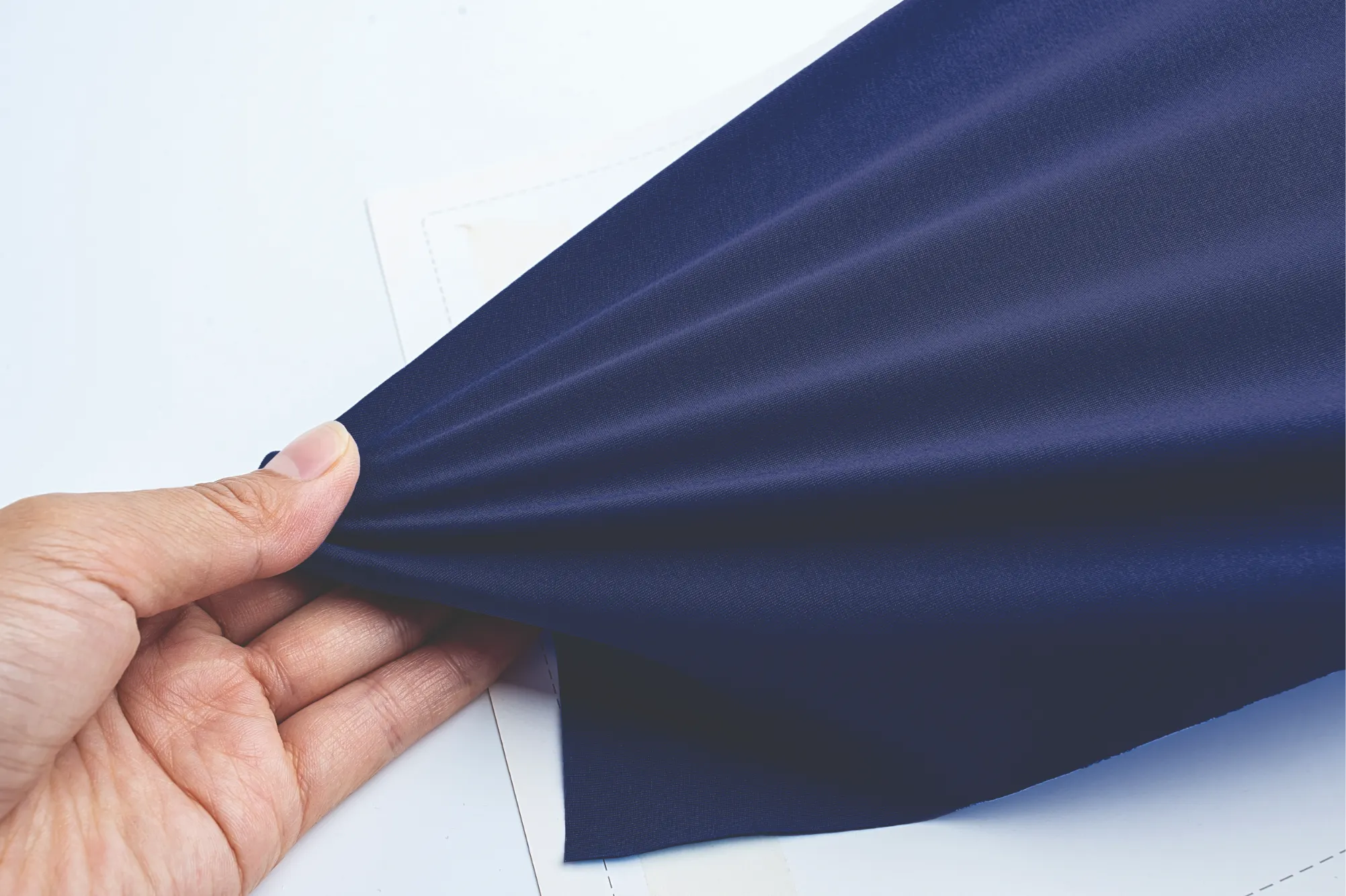
"The fabric. I always notice how it feels in my hands. Is it soft? Is it smooth? Is it heavy or light? Years in the industry mean you instinctively understand how a fabric is likely to perform and how it will feel against someone's skin."
After more than twenty years in the industry, what still excites you?
Nicole:
"There's never a dull moment. No two days are ever the same. There are always new challenges, new opportunities and new ideas coming through the door. It's an industry that's constantly changing, and I love adapting and growing with it."
Outside work, do you ever stop being a Garment Technologist?
Nicole:
"Not really! I'll spot garments on television or when I'm out and about and immediately take a photo or make a note. I'm always looking at what people are wearing and what's happening around the world. It's something you're constantly aware of."
Is there something you've learned over the years that you simply can't unsee?
Nicole:
"Balance. It's something most people would never notice, but once you've trained your eye you can immediately see if a garment doesn't sit correctly on the body. You notice if it hangs too far forwards or backwards or just doesn't feel balanced."
What's the funniest thing that's happened during your career?
Nicole:
"We once had a new seamstress who accidentally tried sewing a sleeve into the neckline and couldn't understand why it didn't fit!"
One of the things you spoke about earlier with real passion was the Stitch by Stitch programme. Why does it mean so much to you?
Nicole:
"We help people with little or no experience learn practical skills from the ground up. We call them our babies because many of them arrive with little or no experience. Watching them learn, grow in confidence and develop their skills is incredibly rewarding. Seeing them flourish is one of the best parts of my job."
What qualities make someone successful in your profession?
Nicole:
"You need to be a go-getter. Someone who's prepared to work hard, is diligent, good with people and willing to lead. You also need the confidence to say, 'That won't work,' but equally the curiosity to say, 'Let's try it and see what happens.' That's how you keep learning."
How has professional clothing changed since COVID?
Nicole:
"COVID definitely made people much more casual in Europe and also here in South Africa. But we're seeing a real shift back towards dressing professionally again. People want to look smart, and I genuinely think it helps your mindset. Looking good when you leave the house helps you start the day on the right note."
You've touched on Europe a few times during our conversation. Climate change is bringing hotter summers and longer heatwaves across much of Europe. Do you think that's likely to change the way professional clothing is designed in the future?
Nicole:
"On our side of the hemisphere, we haven't really reached that point because we've always designed for warmer climates. Southern Africa is naturally much hotter, so we've had to think about comfort, practicality and lighter-weight garments for many years already."
Actually, perhaps it's time to flip the script. Europe has traditionally influenced fashion around the world, but could they start looking to South Africa for inspiration instead?
Nicole:
"That's not a bad idea at all. We've been designing for warmer conditions for decades, so perhaps there are things we can share. South Africa has always had to think differently because of our climate, and that's influenced the way we've approached professional clothing."
Do you think there's an opportunity for South African companies to help shape the future of professional wear rather than simply following international trends?
Nicole:
"I think there definitely is. We still watch global trends and understand what's happening internationally, but we've also developed a lot of experience designing clothing that people can comfortably wear in warmer environments. As climates continue to change, those lessons could become increasingly relevant elsewhere too."
I couldn’t agree more.
Finally, if someone reading this interview was inspired by your story and wanted to become a Garment Technologist, what advice would you give them? How does someone get into the industry today?
Nicole:
"I'd definitely recommend getting formal training through a fashion school or studying clothing technology as a diploma or degree. It's important to learn every aspect of how a garment comes together, from sketching and fabric selection through to pattern making and garment construction. It's not something you can simply pick up overnight. The more you understand every stage of the process, the better Garment Technologist you'll become.
Most importantly though, be curious. Ask questions, work hard, be prepared to learn from everyone around you and don't be afraid to get involved in every part of the process. That's how you'll really grow in this industry."
Final Thoughts
It's often said that people are a company's greatest asset. It's a phrase that's become a little overused, but after spending an hour listening to Nicole's interview, it feels entirely appropriate.
Her knowledge is impressive, but what stood out far more was her curiosity, her humility and the obvious pride she takes in helping other people look and feel their best.
The next time you see someone walking confidently into work in their professional wear, there's a good chance you may look at that person a little differently - hopefully with even more understanding and admiration.
We hope this interview also reminds you to appreciate the talented people quietly working behind the scenes in your own business and in businesses across South Africa. They're often the people whose names you'll never know, yet whose drive, experience, passion and dedication help shape the products and services we rely on every day.
At Imagemakers, we're incredibly proud of the products we create, but we're even prouder of the people who create them. Nicole is one of those people.
And we hope this is just the first of many opportunities to introduce you to the remarkable people who make Imagemakers what it is.