

What Is It Really Like Working in South Africa
South Africa is one of the most culturally and linguistically diverse countries in the world. Eleven official languages shape how people live, speak, think, and work - often within the same city, and sometimes even within the same team.
- isiZulu dominates in KwaZulu-Natal
- isiXhosa in the Eastern Cape
- Afrikaans across the Western and Northern Cape and parts of Gauteng
- Sesotho, Setswana, Sepedi, Tshivenda, Xitsonga and isiNdebele across central and northern provinces
In most workplaces, English (one of those eleven languages) becomes the shared language of business. That part is fairly easy to explain.
What’s harder to explain - especially to people new to the country - is what work actually means here. How it feels. Why it carries so much weight. And why South African workplaces often feel different to those in the UK, Europe, or North America.

“Work Is Not Just Economic Here. It Is Dignity.”
Nelson Mandela once said:
“A decent job and a decent income are not luxuries. They are the foundation of dignity.”
That line still resonates deeply, and it quietly underpins working life in South Africa.
For many people, work is not something to be taken lightly. It is looked after. Protected. Often carried with pride.
That mindset shows up everywhere - not in speeches or meetings, but in behaviour. In how people prepare for the day. In how they present themselves. In how they keep going, even when the job is demanding.
Let’s take a deeper dive into some of the different industries and sectors in South Africa.
Finance, Law and Professional Services
“Reputation Is Carried on the Body”
Johannesburg remains the more formal professional environment. Cape Town is slightly softer - reflecting the coastal mood, perhaps “chilled-out” by the Cape Doctor (our great South Easterly wind).
But across professional services, appearance isn’t just about fashion. It’s about credibility.
A junior associate at a Johannesburg firm told us:
“You feel like you’re representing more than yourself. Your family. Your education. Sometimes your whole background.”
There’s an unspoken understanding in these environments: you don’t embarrass the team.
This is where corporate clothing and understated team clothing quietly play a role - not as uniform, but as reassurance.
I belong here. I am part of a family and I take this seriously.
When asked about the future, the same associate paused before answering:
“I think effort will always be important. Hopefully I’ll get a promotion one day”
Manufacturing, Logistics and Transport
“If It Slows the Job Down, It Gets Ignored”
On factory floors, in warehouses and depots, work is physical and relentless. Heat, repetition, and movement shape the day far more than policy documents ever could.
A logistics team lead in Durban explained it simply:
“If something makes the job harder, people won’t argue or fight about it. They’ll just change how they do things.”
That’s why decisions around work uniform and equipment succeed or fail quietly. If something restricts movement or adds friction, it isn’t debated - it’s worked around.
A site supervisor responsible for multiple shifts added:
“There’s a long-term mindset here. People think in years, not weeks. The grass is greener on this side. They want things to improve for themselves, so they’re patient - and they’re loyal.”
Mining and Heavy Industry
Hierarchy, Safety, and Respect
South Africa remains one of the most resource-rich countries in the world, with deep roots in mining and heavy industry. As a result, these environments are highly structured, safety-focused, and disciplined.
Even in 2025/26, South Africa is still a heavyweight when it comes to natural resources. It was once the world’s biggest gold producer and, while others like China and Russia have overtaken it, it still holds some of the richest gold reserves ever found on earth and produces high-quality diamonds from the birthplace of the modern diamond mining industry.
Add to that its dominance in platinum and other critical minerals like manganese, chromium, vanadium and coal – materials that are increasingly strategic for energy, manufacturing and green technologies – and South Africa remains one of the most naturally resource-rich countries on the planet.
Patrice Motsepe (mining magnate and Executive Chairman of African Rainbow Minerals) has said:
“People perform best when they feel respected - not just protected.”
A senior supervisor responsible for frontline teams in the North West echoed this:
“Safety is number one. Also, respect is very important. If people feel invisible, they will be unhappy.”
On the future of the country, he paused before answering:
“I think South Africa is doing ok. It’s slow but we are moving in the right direction, and we don’t give up easily. You can’t, in this line of work.”
Retail and Hospitality
"Customers Judge Before You Speak"
Retail and hospitality are among the most emotionally demanding sectors.
A hotel front-desk agent in Cape Town told us:
“You’re tired, you’re smiling, and you still have to look professional. What you wear is so important, it actually affects how you deal with people.”
When team clothing works, morale lifts. When it doesn’t, the strain shows physically - in posture, energy, and engagement.
Asked about the future, she smiled before answering:
“People will always come here. They love this country. So I think my job is secure.”
The Quiet Thread Across Every Sector
Across all these conversations, one pattern repeats.
People rarely escalate.
They absorb.
They adjust.
This isn’t apathy. It’s professionalism shaped by experience.
A long-serving team lead summed it up best:
“We complain at home. At work, we get on with it.”
That quiet resilience is often misunderstood - especially by those new to South Africa - and silence is sometimes mistaken for satisfaction. Gratitude is clearly visible, but you can be truly grateful without being totally satisfied.
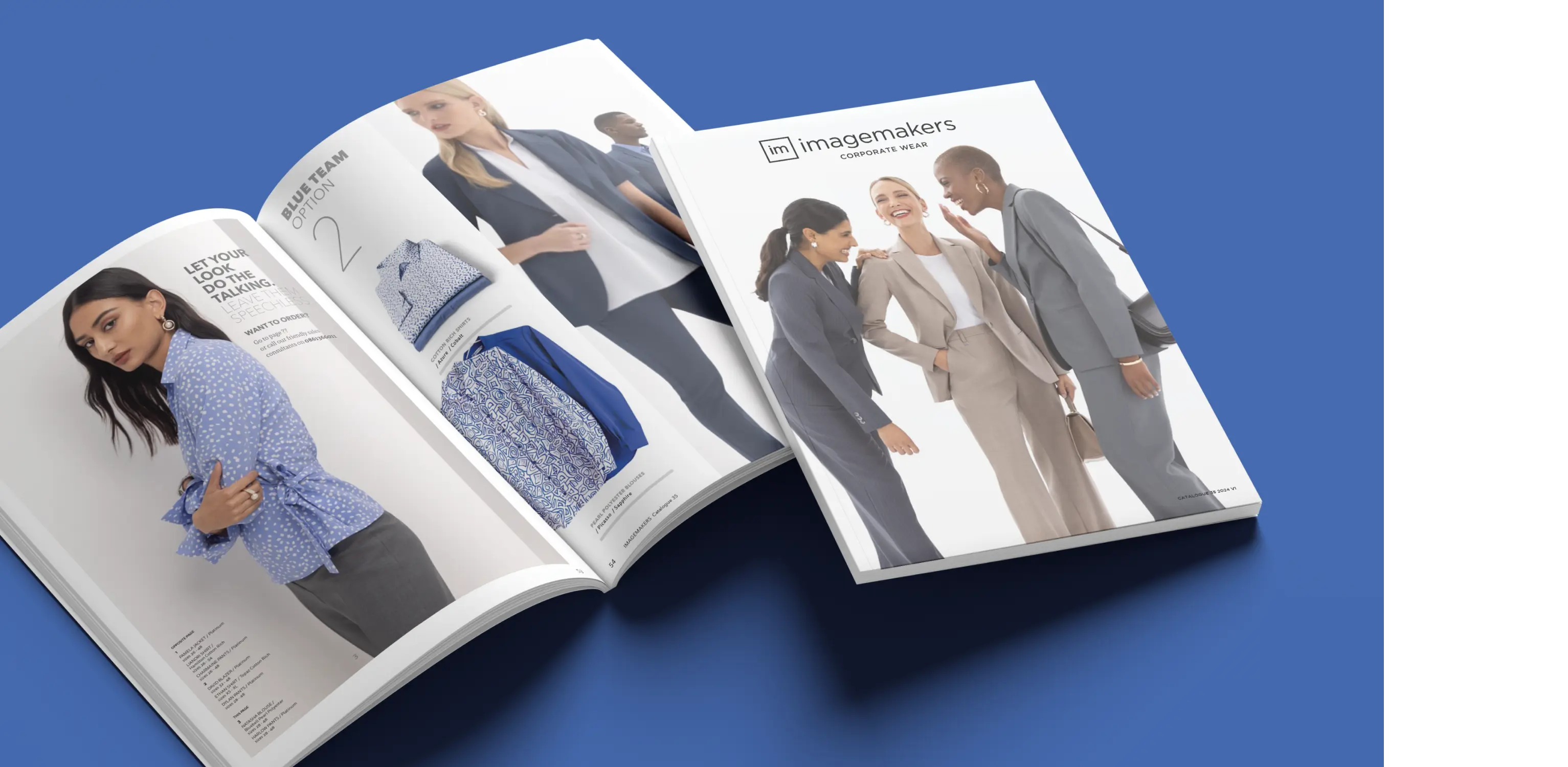
Where Imagemakers Fits
Whether it’s corporate wear for ladies or formal workwear for men, the real signals are behavioural:
- what’s worn repeatedly
- what’s quietly avoided
- what survives summer
- what people feel proud to put on
Good uniform suppliers in South Africa don’t force compliance - they remove friction.

A Final Thought
If you want to understand what it’s really like working in South Africa, don’t start with policies or performance metrics.
Start with people.
Watch how they show up each morning.
Watch how they adapt without fuss.
Watch how they balance gratitude with expectation.
Watch how they hold on to dignity - even when progress feels slow.
Watch what they protect, and what they quietly hope for.
The truth is usually there, in plain sight.
Sometimes it shows up in a self-deprecating joke on the shop floor.
Sometimes in the pride of a neatly pressed shirt.
Sometimes in a simple “kuier” with family and friends after a long week.
That’s working life in South Africa - human, demanding, resilient, and quietly hopeful.
Sources and References
- Anonymised worker interviews conducted by Imagemakers across multiple industries (2023–2025)
- Public speeches by Nelson Mandela on work and dignity
- Long-term, cross-industry operational insight from Imagemakers