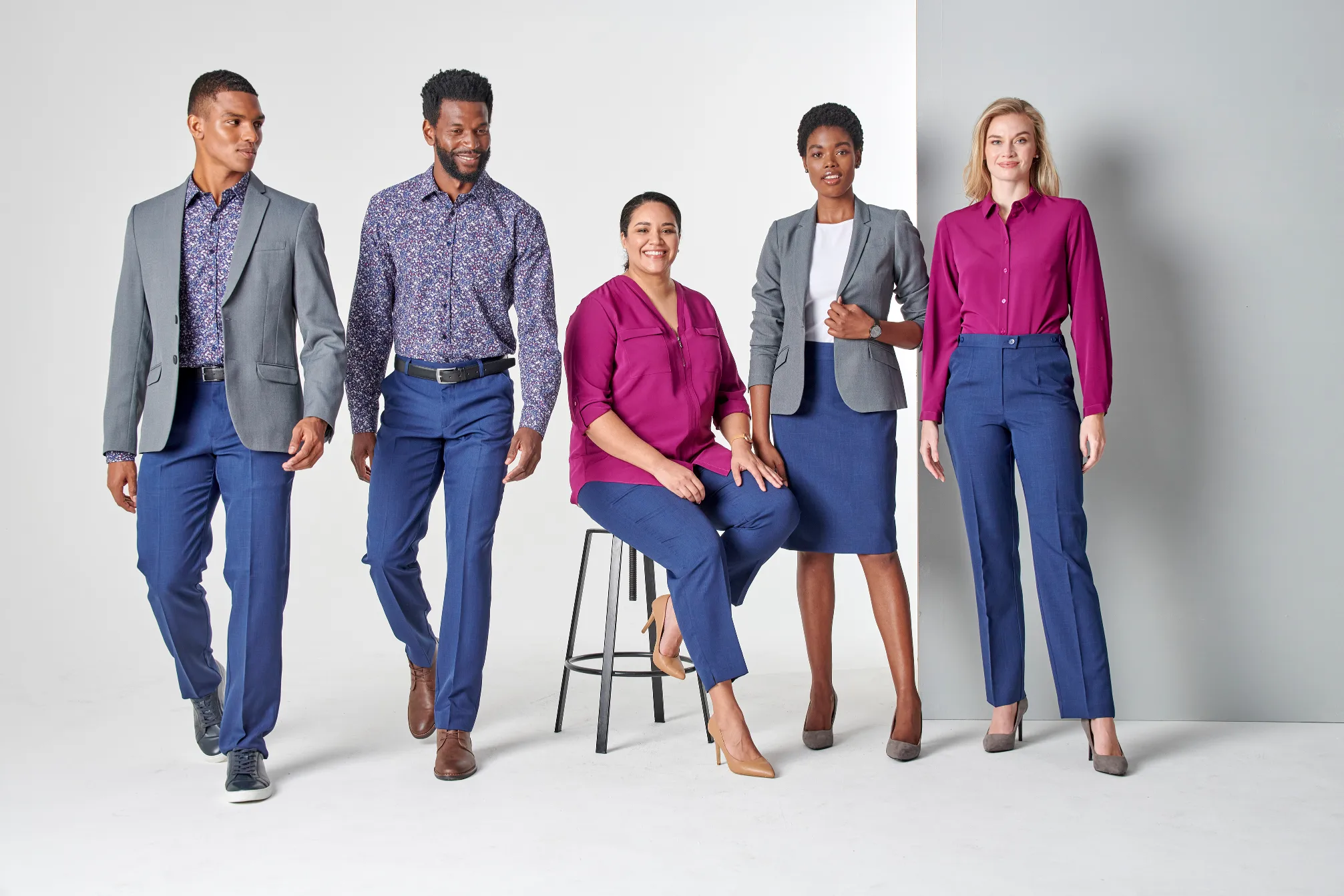


Not long ago, the biggest workplace disruptor we were all struggling with was Covid!
Remember the fear and uncertainty? Almost overnight, offices emptied, meetings moved online, routines disappeared, and what people wore to work changed with it. In our recent article, 'Six Years On: Did the Pandemic Permanently Change What South Africans Wear to Work?', we looked at how the pandemic didn't kill the corporate clothing industry - it forced us to evolve.
People wanted more comfort, more flexibility and they wanted to be part of the conversation. And companies listened, they smiled, they breathed a sigh of relief and obliged because they were all too happy to have the team alive and well and back together. But it was never a 'love you, do and wear what you want'. Businesses still needed their teams to look professional, connected and ready to represent the company through thoughtful corporate wear.
Now there's another global disruptor at our door: Artificial Intelligence. It snuck up on us and now it's got us surrounded - like some generative engine Godzilla that threatens our very existence unless we can tame it.
And while AI might not seem like an obvious workwear topic at first, it raises a very real question. After all, AI may have exposed us, and we know it's going to change us, but we still have to wear clothes, don't we?
Let's think about it for a second, if AI changes how we work, where we work, which industries will be replaced and which roles remain most human-facing, will it also change what we wear to work?
AI is already changing the shape of work
AI is no longer something sitting in the future. Godzilla really is here, she’s (yep, it’s a she!) been mounted and ridden into all aspects of marketing, sales, finance, customer service, HR, administration, software, healthcare and operations.
This matters because AI is not only affecting "tech jobs". She's affecting office jobs, admin-heavy roles, sales teams, service environments and decision-making positions - the very spaces where corporate wear has been defining itself for decades.
Here's the reality right now:
AI can write the first draft.
AI can summarise the meeting.
AI can answer basic and now so much more advanced customer queries.
AI can assist with reporting, scheduling and data analysis. And it can now do all this without much prompting if an AI agent is involved.
But…
People still walk into reception areas.
People still meet clients.
People still visit sites.
People still represent a business in the real world.
People still go on holiday.
People still fix cars.
People still eat out…
You get the picture.
And this is why work clothes still matter.
The more digital work becomes, the more human moments stand out
So where do humans survive and excel in all this? Well, think about this - one of the risks with AI is that companies start to look and sound the same. Think about videos that are AI produced, questions answered by lazy AI trying to save some rands by offering up shallow answers.
The same automated replies.
The same AI-generated content.
The same polished-but-generic communication. 'Polished' and 'Elevated' - look out for these two words in AI speech!
When that happens, physical human moments become more valuable. That's our point. Humans are gregarious and will become more so if AI pushes us further apart.
There will be silent cheers when:
A receptionist welcomes a client.
A sales team arrives on-site.
A healthcare worker interacts with a patient.
A hospitality team serves guests.
These are the moments where staff uniforms do something AI simply cannot do.
They:
• Make a real connection
• Create clarity
• Build trust
• Show professionalism
• Reinforce identity
• Help people feel part of a team
In South Africa especially, where many industries are still highly people-facing, this matters even more.
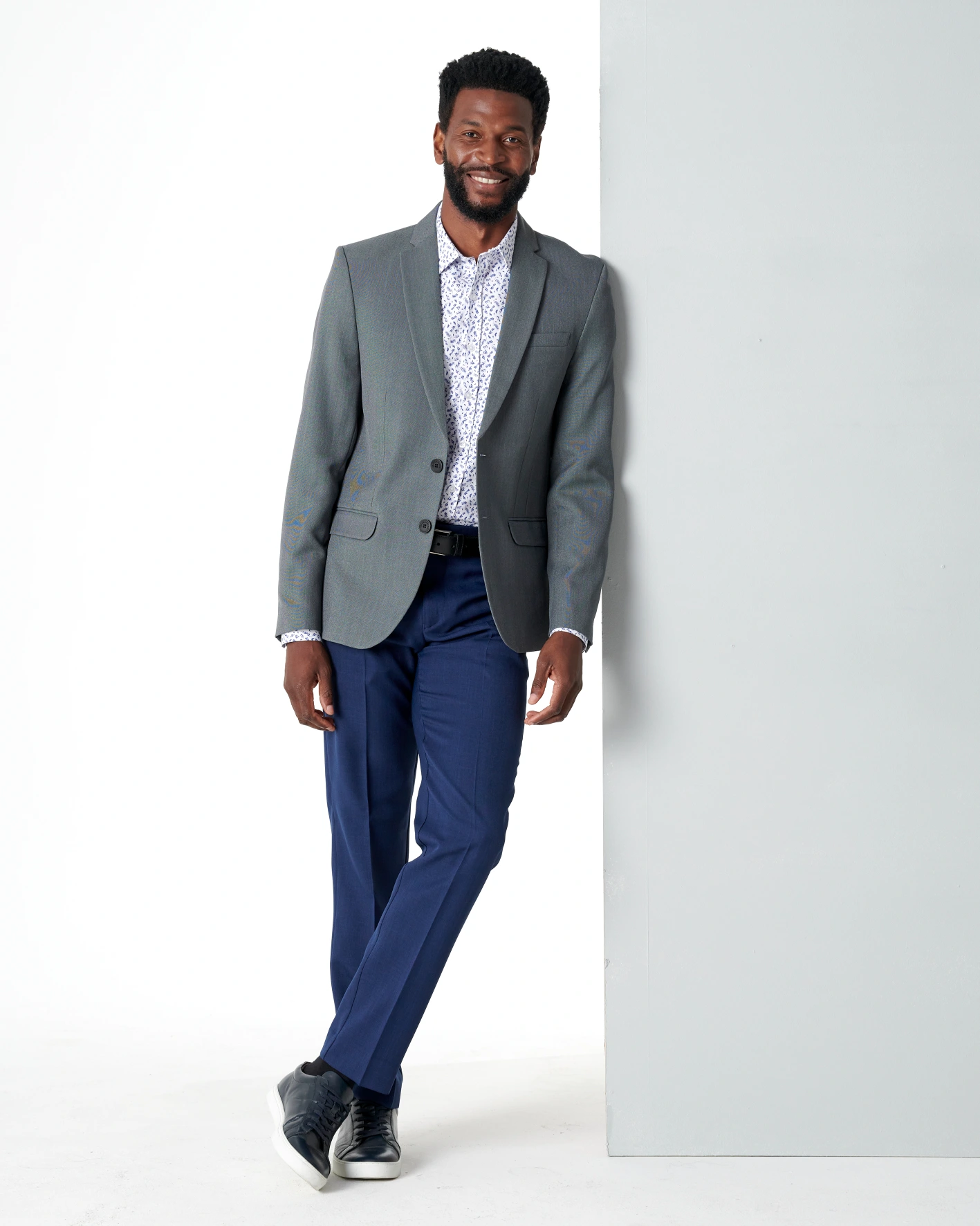
Public perception of AI is not settled
The AI conversation is not just about technology - it's about trust.
Many people are unsure how AI will affect their jobs. Others are concerned about automation replacing human roles. Some are excited about efficiency, while others are worried sick about what's being lost.
For businesses, this creates a challenge:
How do you remain human in a world that is becoming more automated?
This is where corporate clothing South Africa becomes more than just a practical decision.
It becomes part of how a business shows:
• We are real people
• We are present
• We are accountable
• We represent this company
Not in a rigid or outdated way - but in a way that feels modern, comfortable and aligned.
Which industries will feel the biggest shift?
AI will impact most industries, but the effect will be different depending on how "human-facing" the role is.
Finance, insurance and professional services
These sectors are highly exposed to AI through reporting, compliance and analysis. But trust remains everything.
That is where well-designed corporate clothes move away from stiffness and towards warmth and credibility.
Healthcare and wellness
AI may support diagnostics and admin, but patient care is still deeply human.
Here, workwear plays a key role in reassurance, clarity and professionalism.
Retail, hospitality and service industries
Customers do not interact with AI systems - they interact with people.
This is where company clothing helps shape this very human experience from the very first interaction.
Property, field teams and operations
These roles involve physical presence.
Here, durable and practical work clothes need to perform in real-world environments.
Manufacturing and logistics
AI may support operations, but teams still need reliable, repeatable solutions. It's a long way off still - that point where warehouse personnel and friendly delivery drivers become obsolete (what a horrible thought).
This is where a trusted corporate clothing manufacturer becomes critical for consistency over time.
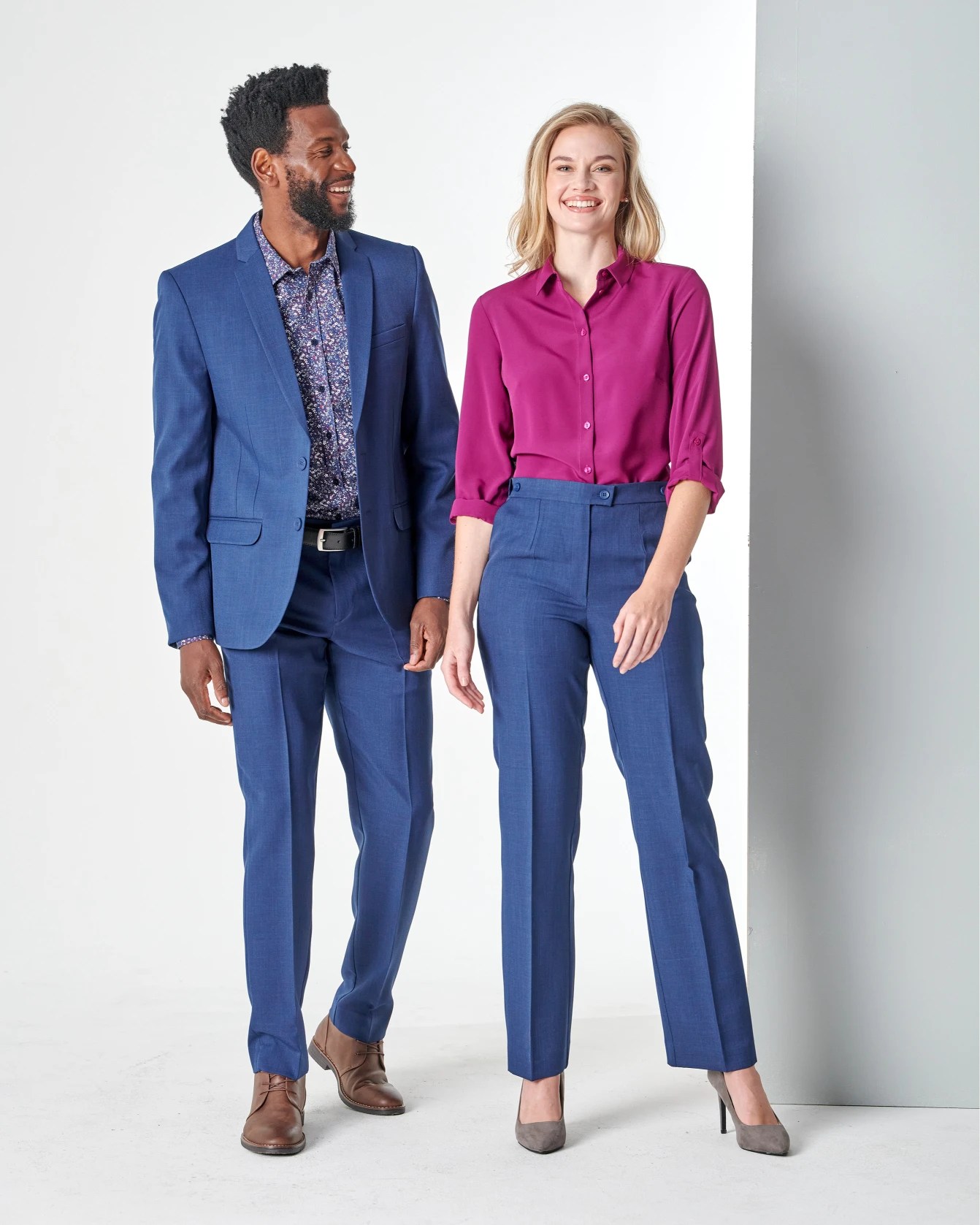
So, will AI change how corporate clothing looks?
Not in the way people might expect. Hybrid work has shifted expectations, but this hasn't made workplaces "casual" - it has made them more considered.
And "more relaxed" does not mean "less important".
Instead, we are seeing a move towards more intentional corporate clothing:
• Comfortable, without losing professionalism
• Flexible, while still feeling consistent across a team
• Practical for real working environments
• Modern, but still clearly representative of the brand
This is especially important when designing inclusive options such as corporate wear ladies, where fit, comfort and confidence matter just as much as appearance.
The future is not about removing what works - it's about designing clothing that works better for real people, including more considered approaches to women workwear across different body types (great article here) , roles and industries.
What this means for South African businesses
As AI becomes more embedded in daily work, businesses need to think beyond systems and software.
They need to think about people.
• How will teams feel?
• How will customers experience the brand?
• How will businesses build trust?
• How will teams stay connected?
This is where choosing the right corporate clothing supplier matters.
Not just a company that provides garments - but a partner who understands:
• Fit
• comfort
• role requirements
• reordering
• long-term consistency
A strong partner helps businesses think about clothing as part of their culture and customer experience - not just a one-off purchase.
Practical recommendations
1. Focus on human touchpoints
Where your team interacts with people, appearance still matters.
2. Move from dress codes to clothing systems
Flexible, coordinated corporate clothes work better than rigid rules.
3. Prioritise comfort and fit
Modern women workwear must suit real people and real environments.
4. Plan for growth and reordering
A good corporate clothing manufacturer supports you long-term.
5. Reinforce team identity
In an AI-driven world, visible identity - supported by consistent corporate wear - matters more.
Final thought
AI will change how we work. It will change tasks, workflows and roles.
But it will not remove the need for:
• trust
• belonging
• human interaction
• professional presence
And that is why corporate clothing still matters. Perhaps more than ever.
Because in a world where more work is done behind screens, what people see in front of them becomes more important. Perhaps we'll even learn to appreciate each other more as a result - that would be an unexpected but welcome shift.
AI may shape the future of work. But team clothing - from refined corporate wear for ladies to practical work clothes - will still shape how your business is experienced.
So while AI may well influence what your team wears now and in the future, history shows that fashion always adapts - and what your team puts on each morning will still have a direct impact on your bottom line.